
Best Fig Allergy Alternatives for Food Scanning 2026
Looking for food scanning apps that work better for your specific allergies than Fig? You're not alone.
Fig (Food Is Good) has become one of the most popular food scanner apps for people with dietary restrictions, and rightfully so — it pioneered personalized allergy and diet scanning. But in 2026, the food scanning landscape has expanded dramatically, and depending on your needs, there might be a better fit for you. Whether Fig's subscription model doesn't work for your budget, its database is missing your regional products, or you need features it doesn't offer, let's explore the best alternatives.
Why People Look Beyond Fig
Don't get us wrong — Fig is an excellent app. It lets you set custom diet profiles, scan barcodes, and find products that match your restrictions. But we've heard consistent feedback about limitations:
- The free tier limits you to 5 scans per month — not realistic for daily grocery shopping
- Database gaps — especially for international or regional products
- Focus on finding products — rather than deeply analyzing ingredients
- Subscription fatigue — at ~$40/year, costs add up with multiple diet apps
"I LOVE fig! Especially if you don't fully know what is and isn't ok for allergies/celiac. Using the free version you can use it to scan/see what foods fit the diet you're looking at."— Reddit user in r/glutenfree
For many people, Fig works perfectly. But if you've hit its limitations, here are the alternatives worth considering.
Best Fig Alternatives for Food Allergy Scanning
1. Yuka – Food & Cosmetic Scan
Yuka has exploded in popularity, boasting over 55 million users worldwide. While its primary focus is on nutritional quality and additives rather than personalized allergies, it's become many people's go-to scanner.
The app rates products from 0-100 based on nutritional value, additives, and whether they're organic. For allergy sufferers, Yuka shows all ingredients clearly and flags common allergens. It also scans cosmetics and personal care products — a bonus Fig doesn't offer.
- ✅ Free unlimited scanning (rare!)
- ✅ Huge database — 4M+ products
- ✅ Also scans cosmetics
- ✅ Clear health impact ratings
- ❌ Not designed for custom allergy profiles
- ❌ Focuses on general health, not specific diets
2. FoodCheckr – Deep Ingredient Analysis
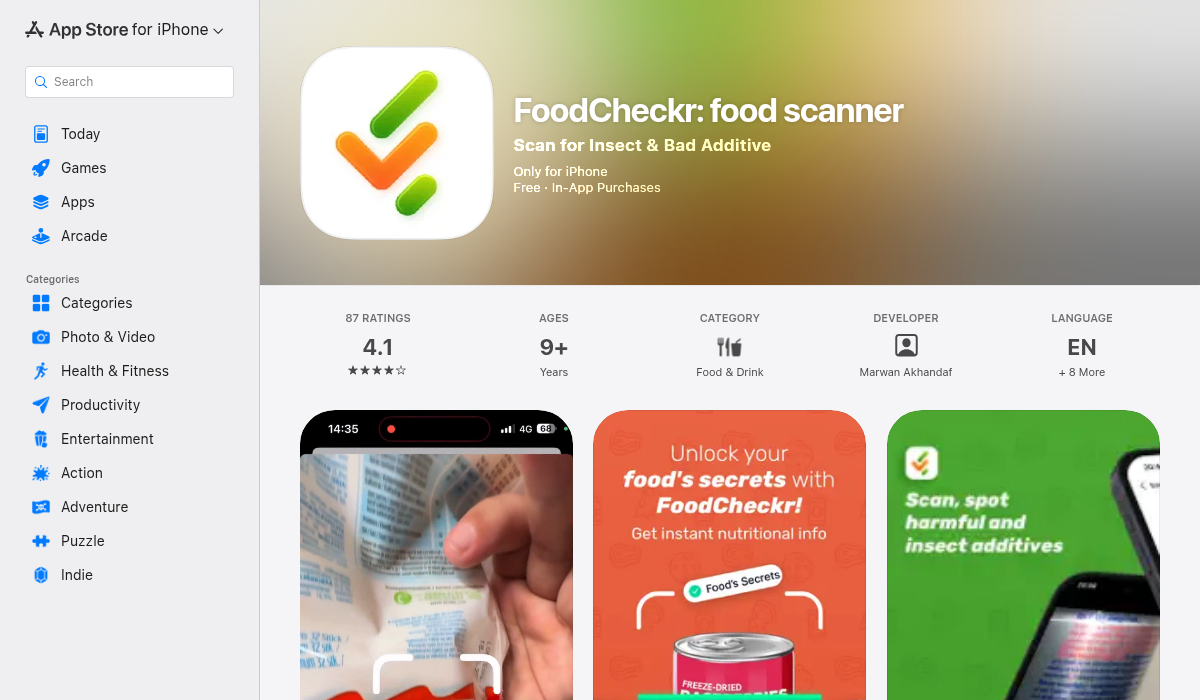
If your concern is understanding exactly what's in your food — not just matching diet labels — FoodCheckr takes a different approach. Instead of relying on pre-set diet profiles, it uses AI to analyze every ingredient in depth.
What makes it valuable for allergy sufferers is its comprehensive additive detection. Many allergic reactions aren't to the main ingredients but to hidden additives, processing aids, or derivatives. FoodCheckr catches these, flagging potentially harmful additives, bioengineered ingredients, and even insect traces (increasingly common in processed foods as alternative proteins become prevalent).
- ✅ AI-powered ingredient analysis
- ✅ Detects hidden additives and derivatives
- ✅ Bioengineered ingredient detection
- ✅ Full nutritional breakdown
- ✅ Scan history for tracking
- ❌ Not organized by diet "profiles"
For anyone who's had a reaction to something that "should" have been safe according to their allergy label, FoodCheckr's deep analysis can help you understand why.
3. VeganCheckr – Beyond Vegan Status
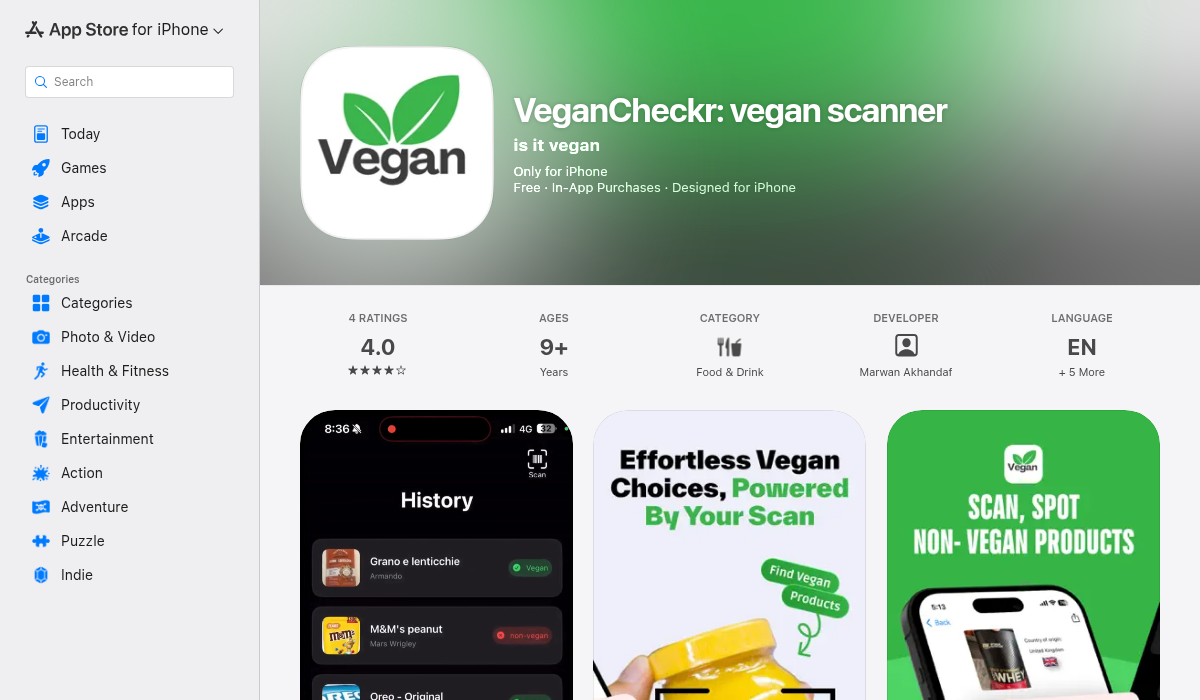
Despite the name, VeganCheckr isn't just for vegans. Its thorough ingredient analysis benefits anyone avoiding animal-derived ingredients — including many people with milk, egg, or shellfish allergies.
The app analyzes not just obvious animal products but also hidden animal-derived additives like gelatin, carmine, casein, and whey derivatives. Its supply chain transparency feature shows where ingredients come from, which matters if you have concerns about cross-contamination or specific sourcing.
- ✅ Catches hidden animal-derived additives
- ✅ Supply chain transparency
- ✅ Vegan restaurant/store map
- ✅ Detailed additive checker
- ❌ Primarily focused on vegan concerns
If your allergies overlap with vegan avoidances (dairy, eggs, shellfish-derived ingredients), VeganCheckr provides an extra layer of protection.
4. Trash Panda
Trash Panda has gained a cult following for its straightforward approach and personality. The app scans products and immediately tells you what to watch out for, using clear icons and plain language.
Its strength is simplicity — you get quick, digestible information without wading through complex profiles. For people who just want fast yes/no guidance at the grocery store, Trash Panda delivers.
- ✅ Super simple interface
- ✅ Clear ingredient warnings
- ✅ Fun, approachable design
- ❌ Less customizable than Fig
- ❌ Smaller database
5. InTolerApp – Food Intolerance Specialist
For those whose allergies overlap with intolerances (histamine, fructose, lactose, FODMAPs), InTolerApp offers specialized scanning that Fig can't match. The app comes from the medical food intolerance community and takes a symptom-focused approach.
- ✅ Specialized intolerance profiles
- ✅ Symptom tracking integration
- ✅ Medical-grade food databases
- ❌ Steeper learning curve
- ❌ Less modern interface
How to Choose the Right Alternative
Your ideal Fig alternative depends on what you actually need:
| Your Priority | Best Choice |
|---|---|
| Free unlimited scanning | Yuka |
| Deep ingredient analysis | FoodCheckr |
| Avoiding animal derivatives | VeganCheckr |
| Quick, simple guidance | Trash Panda |
| Food intolerances + allergies | InTolerApp |
The Multi-App Approach
Here's a secret from people who've been managing severe allergies for years: they rarely rely on just one app. A smart combination might look like:
- Primary scanner — Yuka or Fig for quick daily scanning
- Deep analysis — FoodCheckr when something seems suspicious or new
- Specialty checker — VeganCheckr or InTolerApp for specific concerns
This layered approach catches more potential issues than any single app alone.
Pro Tips for Food Allergy Scanning
- Scan even familiar products — Manufacturers change formulations without fanfare
- Check the "may contain" warnings — Apps often miss cross-contamination info on labels
- Use multiple sources for high-risk foods — When in doubt, verify across apps
- Report missing products — Most apps let you contribute to their database
- Keep your profiles updated — New research might reveal ingredients you should add or remove
The Bottom Line
Fig remains an excellent app for many people, but it's not the only option anymore. If you need free unlimited scanning, Yuka delivers. If you want to understand exactly what's in your food at the molecular level, FoodCheckr goes deeper than any diet-profile app. For specific needs like vegan allergen overlap, VeganCheckr fills the gap.
The best approach? Try a few options and see which fits your shopping style. Living with food allergies is hard enough — your scanning app should make it easier, not add friction to every grocery run.